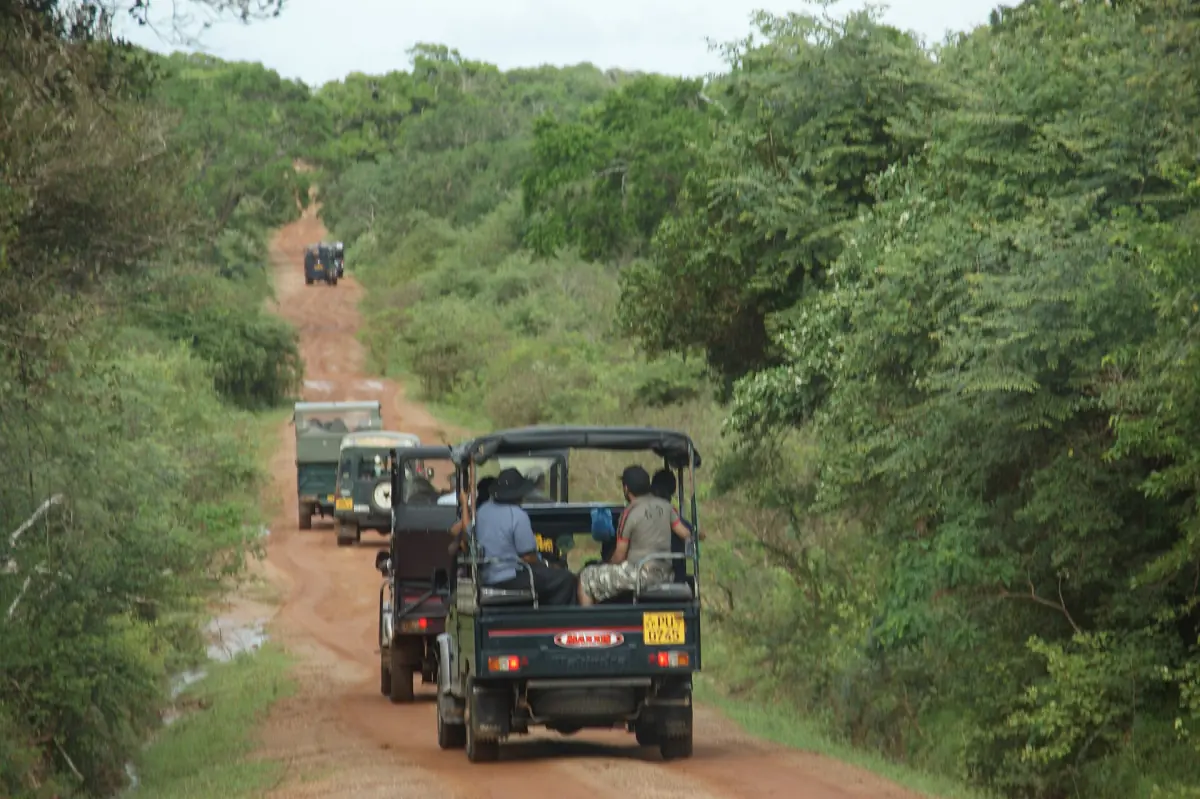
Is Hambantota safe? What the official advice says
This guide gives no safety grade of its own. Governments publish dated advice, and that advice is the best starting point. As of 21 October 2026, none of the three sources below carries a blanket warning against travel to Hambantota. They do ask for care, and each names risks that affect your plans.
The sections after the table cover the practical side: the road, fuel, wildlife, the sea, health and rain. This is an independent guide, not a government or park authority page. Read the current advice from your own government just before you leave.
Travel advice compared
What each government says, with the date.
| Source | Date | What it says |
|---|---|---|
| UK Foreign Office | Changed 21 September 2026 | No blanket warning against travel to Hambantota. Inter-monsoon rain raises the risk of flooding and landslides across the country. Mine warnings concern parts of the north and east, such as Jaffna, Kilinochchi, Mullaitivu, Mannar and Vavuniya. |
| German Foreign Office | Valid since 17 July 2026 | No numbered level and no nationwide travel warning. It asks for increased caution, notes protests and traffic risks, and names mine risks mainly in the north. |
| US State Department | Issued 14 October 2025 | Level 2, increased caution, citing unrest, terrorism and landmines, mainly in the northern districts and parts of the east. No separate, higher level for Hambantota. |
The mine warnings are not a warning for the beaches of Hambantota. Do not read them that way.
Our pick: a safari with a driver-guide and entry included
Our take: the road is the risk most travelers meet, and on this 4x4 trip a local driver-guide handles it, with hotel transfer and the Bundala park entrance already in the price.
Hand-picked tours, booked through GetYourGuide. Prices are indicative starting prices in US dollars (as of October 2026). Tap a tour for live availability and the current price in your currency.
Guided tours with local drivers
Safaris and day trips from Hambantota with a driver and guide, with live prices and availability.
Roads, fuel and transfers
The risk most travelers actually meet.
Self-drive
The German Foreign Office advises against self-drive rental cars, refers to serious bus accidents, and warns that investigations after an accident can take long and that exit bans are possible. This is national advice, not a Hambantota accident rate. A car with a local driver is the usual alternative. See getting there.
Fuel rationing
The same office describes fuel rationing since 15 March 2026, with registration, quotas and pump access by even or odd plate numbers. It may affect transfers. Ask your driver or hotel before a long trip.
Wildlife and safari rules
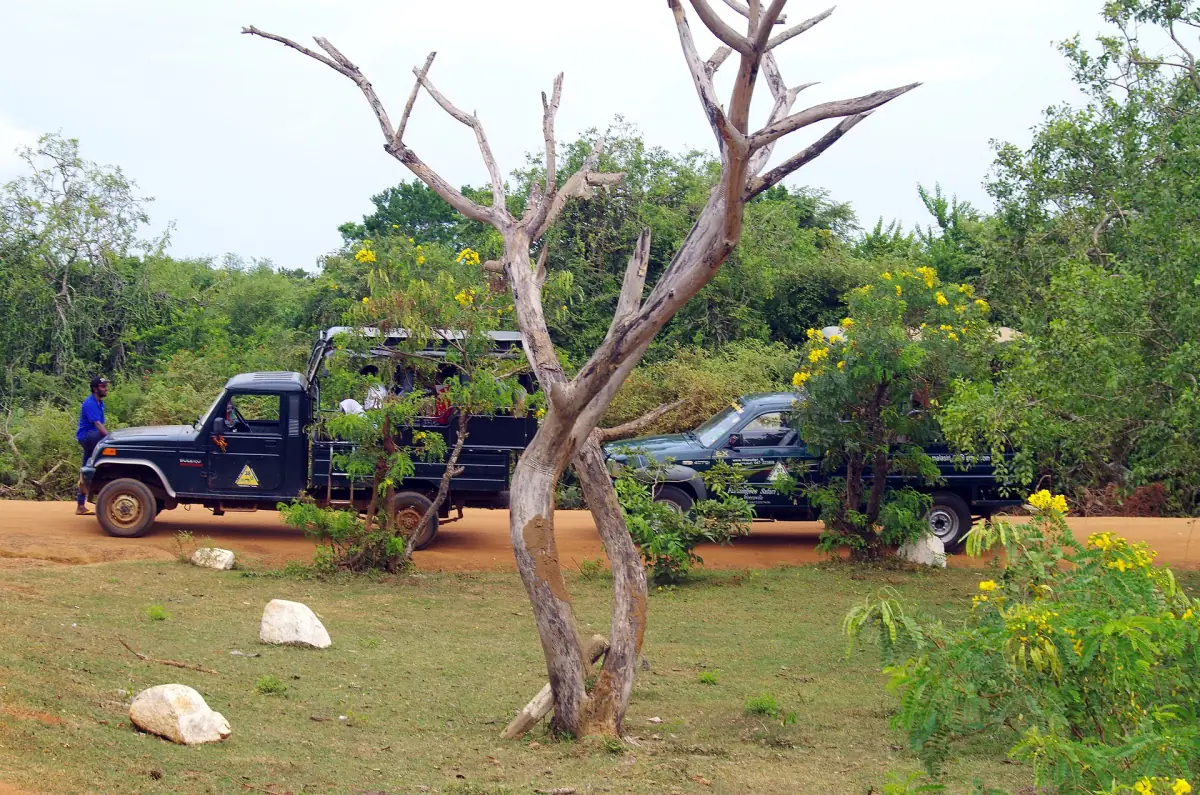
On a safari, the rules protect the animals and you. The tourism authority's vehicle safari guideline asks drivers to stay on the marked routes, follow one-way and no-parking rules, and give animals right of way. Do not feed animals, and take your litter with you. Safari vehicles need a wildlife department registration and a valid permit.
The guideline sets a maximum speed of 30 km/h or a lower limit set for wildlife protection. One operator states 25 km/h. Follow the lower figure you are given on the day. The guideline asks drivers not to crowd an animal and to stop when animals cross. The guideline sets no fixed distance in meters and no maximum number of jeeps per leopard.
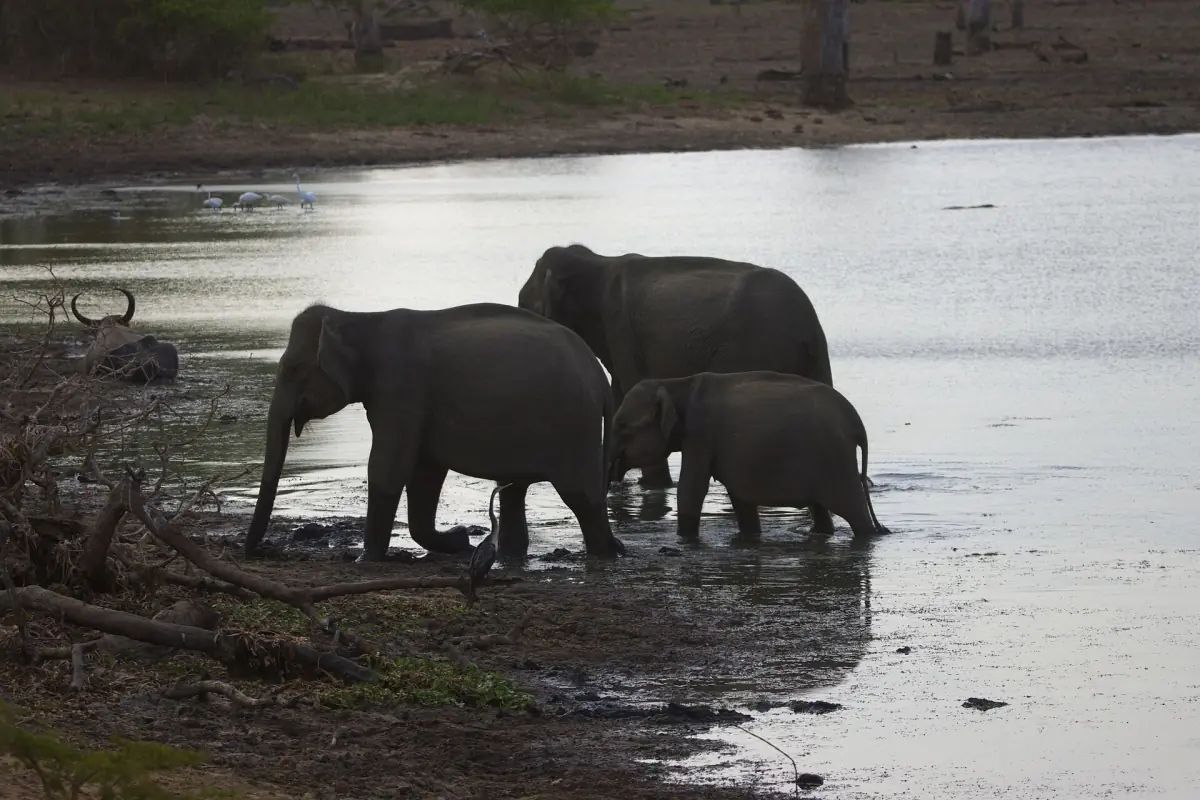
Elephants also appear on public roads outside the parks. Do not stop to feed them. This guide gives no safe distance in meters for roadside elephants, so follow your driver's judgment. See the Yala safari page and the leopard guide, which promises no sightings.
Sea, health and weather
Three more things to check.
The sea
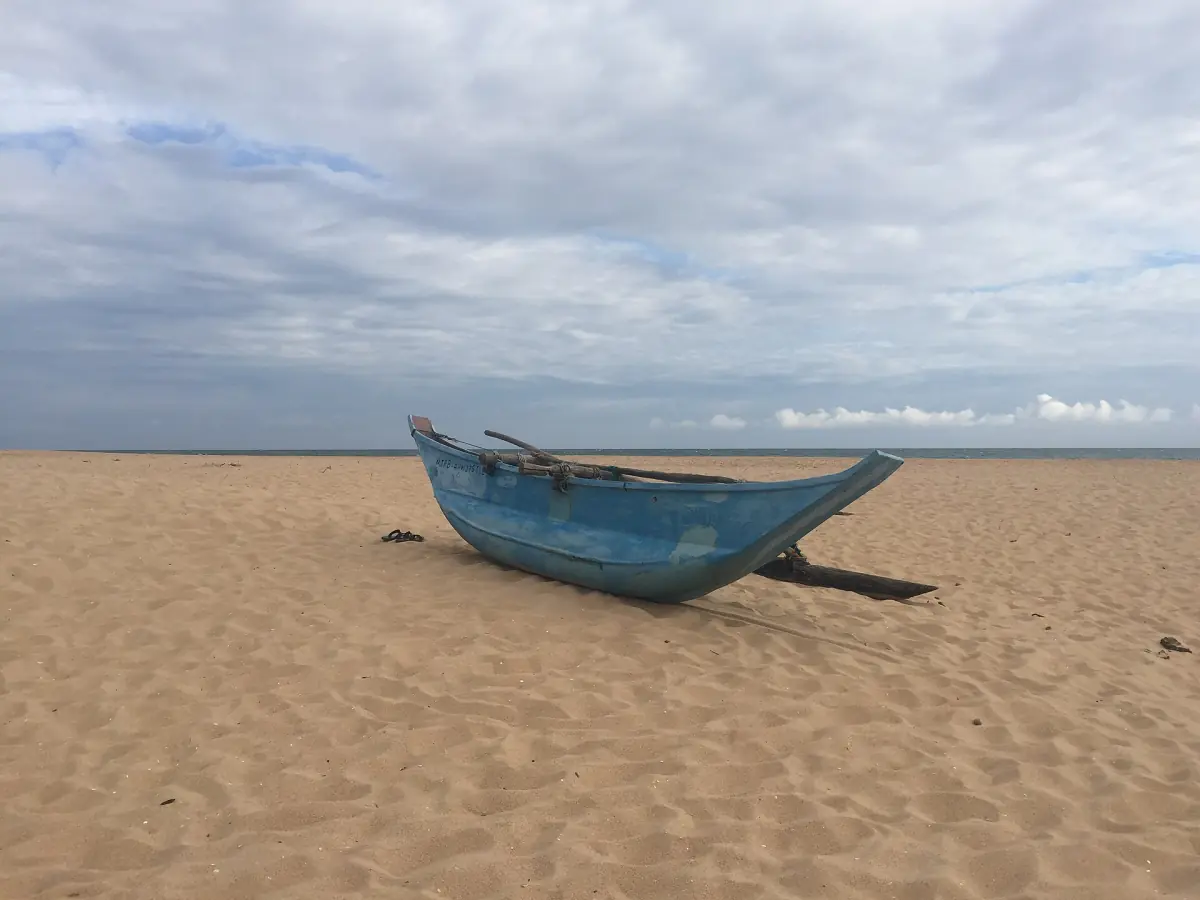
The UK Foreign Office warns of dangerous surf and rip currents at many Sri Lankan beaches at certain times of year and advises getting local advice before you swim. No beach here is safe on every day. See the beaches page.
Dengue
The German Foreign Office reports more than 70,000 dengue cases nationwide in 2026 and recommends consistent mosquito protection, especially during the day. That is a national count, not a figure for Hambantota. Use repellent and cover up, especially during the day.
Rain and cyclone damage
The UK advice of 21 September 2026 concerns heavy rain, flooding and landslides, and traffic or supply disruption is possible. Cyclone Ditwah hit the country in 2025, and the disaster agency lists severe damage. That does not mean Yala, Bundala, Tangalle or the expressway are closed now. Check current notices. See the best time page.
Temples and dress
For temples, including Kataragama and Mulkirigala, cover your shoulders and wear trousers or skirts below the knee. See Kataragama.
Before you leave: a short checklist
Five checks before you fly.
Read your government's page
Look at the dated advice for your own country on the day before you fly.
Get your ETA
The tourist ETA is free for 40 nationalities since 25 May 2026, but you still need it.
Plan the transfer
Use a local driver and ask about fuel before long drives.
Pack for mosquitoes
Repellent and light, long clothing, especially for the day.
Ask about the water
Check conditions with local staff each time before you swim.
Is Sri Lanka safe? Frequently asked questions
Is Hambantota safe for tourists?
None of the UK, German or US advice pages carries a blanket warning against travel to Hambantota. Each asks for care and names specific risks. Read the current advice from your own government before you travel.
Are there landmines near Hambantota?
The mine warnings from the UK, Germany and the US concern the north and parts of the east. They are not a special warning for the beaches of Hambantota.
Should I rent a car and drive myself?
The German Foreign Office advises against self-drive rental cars and mentions serious bus accidents. A car with a local driver is the usual choice.
What should I do if an elephant is on the road?
Do not feed it. Follow your driver's judgment. No safe distance in meters can be given for elephants on public roads.
Do I need protection against dengue?
The German Foreign Office reports more than 70,000 cases nationwide in 2026 and recommends mosquito protection, especially by day.
Is it safe to swim?
Not on every day. The UK Foreign Office warns of surf and rip currents at many beaches at certain times of year. Ask locally first.