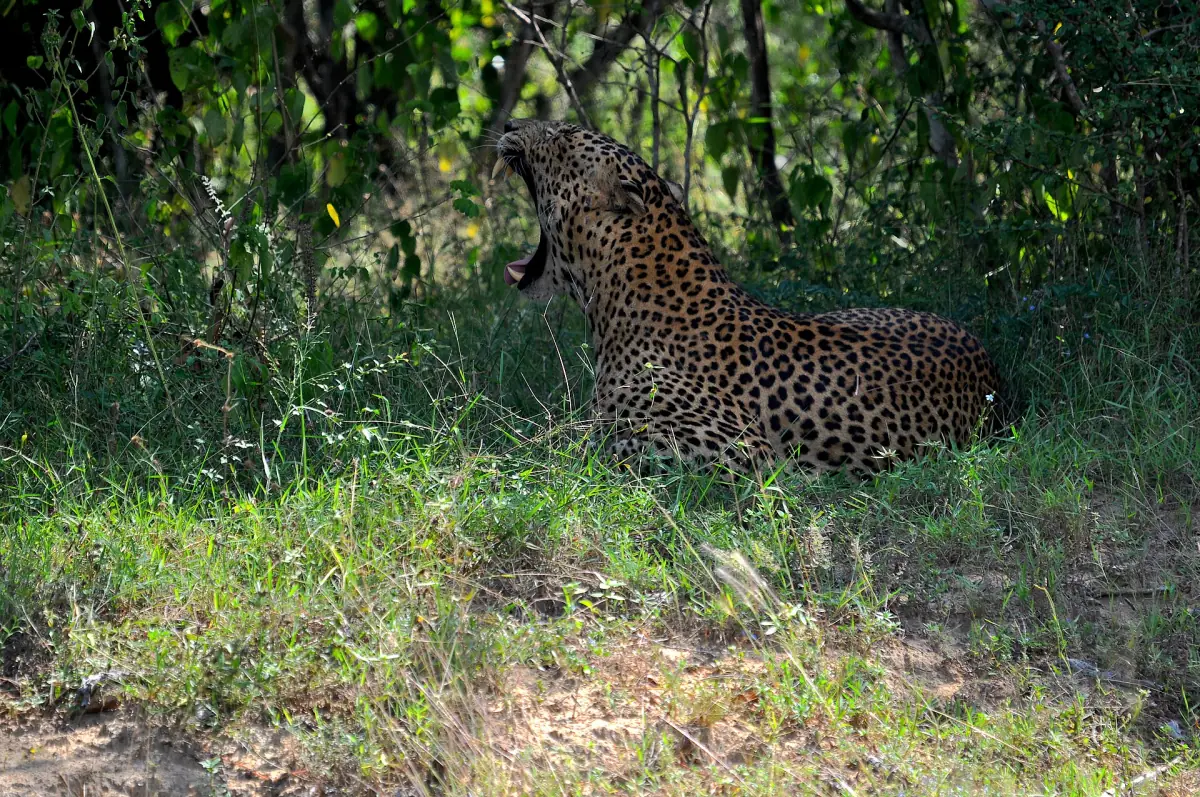
Leopards in Yala: what to expect
Yala is the park in southern Sri Lanka most linked with leopards, and leopard interest drives many safari bookings. That reputation does not turn into a guarantee. Operators exclude sighting promises in their terms, and animals, weather and chance shape every drive. Some days a leopard shows up, and some days it does not.
This page is an independent guide. It uses older scientific studies for context and says clearly where they stop being useful. For the park itself, read the Yala National Park page, and for jeep options and prices go to the Yala safari page.
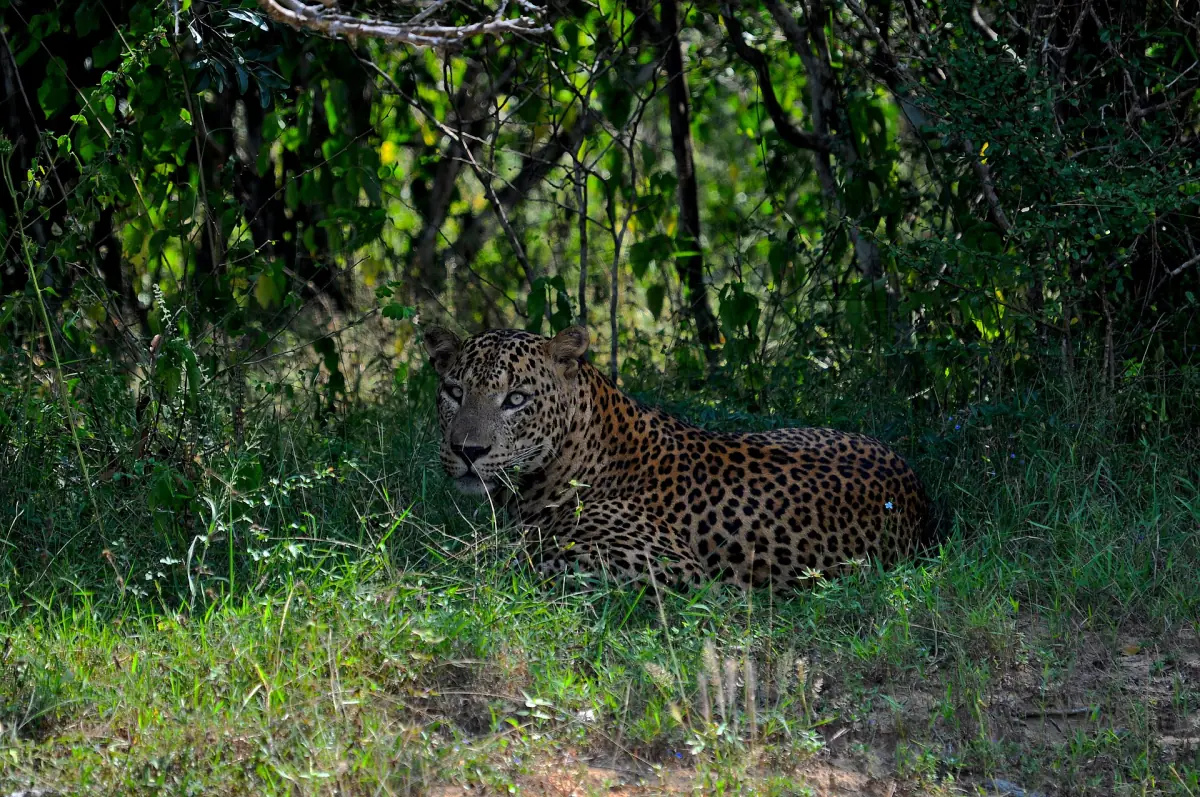
What the density studies say
Two studies, two methods, neither a count for 2026.
| Source | Period | Figure | Limits |
|---|---|---|---|
| Research article comparing Horton Plains with Yala | Yala study of 2017 | 21.7 leopards per 100 km² in total, 12.1 adults per 100 km² | Outdated, not a count for 2026, not the density of each block |
| IUCN volume on the fauna of Sri Lanka | October 2000 to June 2002, Block I | 0.15 resident adult leopards per km² | Different definition of age and population; do not combine with the other figure |
The two figures use different definitions of age class and population, so do not average them into a new number. Both are old, and neither tells you how likely you are to see a leopard on a given morning. A high density in a block does not mean a leopard crosses the track in front of every jeep.
Our picks: Yala jeep safaris
Leopards live in Yala, but no tour can promise a sighting; these jeep options give you time in the park.
Hand-picked tours, booked through GetYourGuide. Prices are indicative starting prices in US dollars (as of October 2026). Tap a tour for live availability and the current price in your currency.
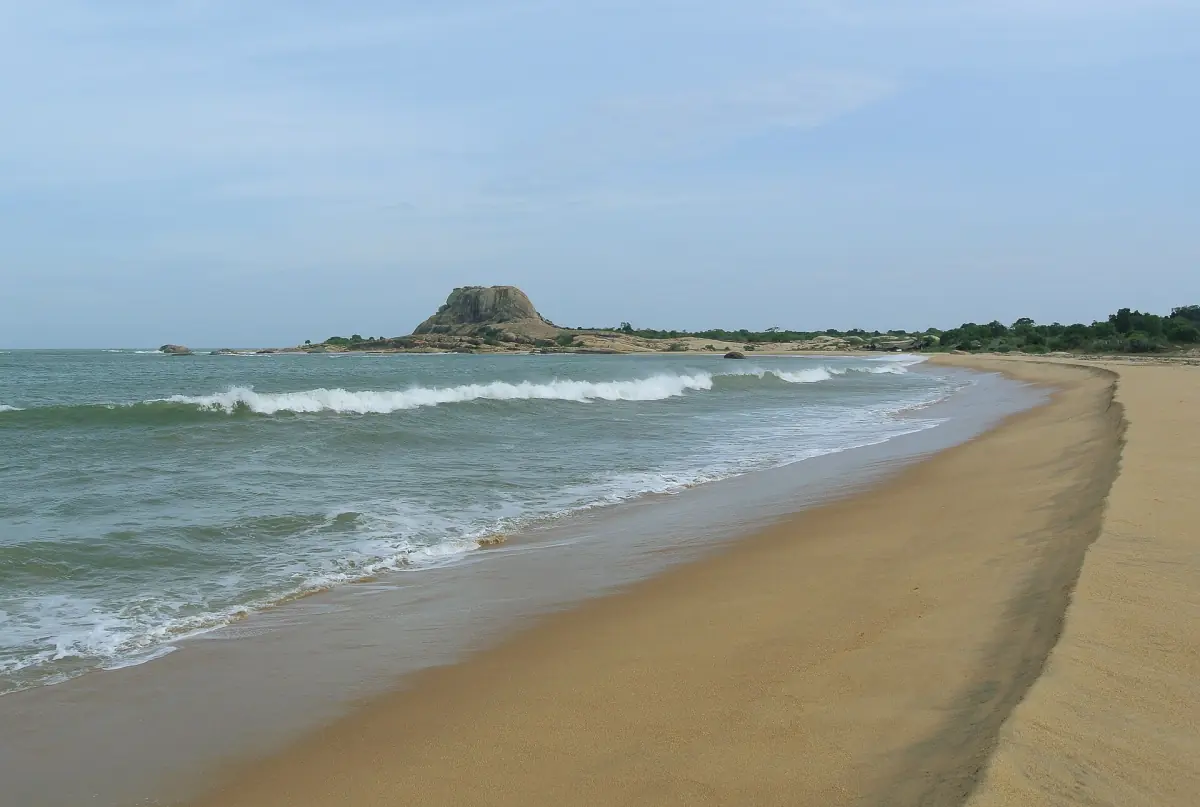
Private full-day Yala safari, Blocks 1, 5 and 6
A private jeep with driver-guide, breakfast, lunch, water and hotel transfer. Park entries are extra, and two tickets are needed (Block 1, plus a shared one for Blocks 5 and 6).
Check availability →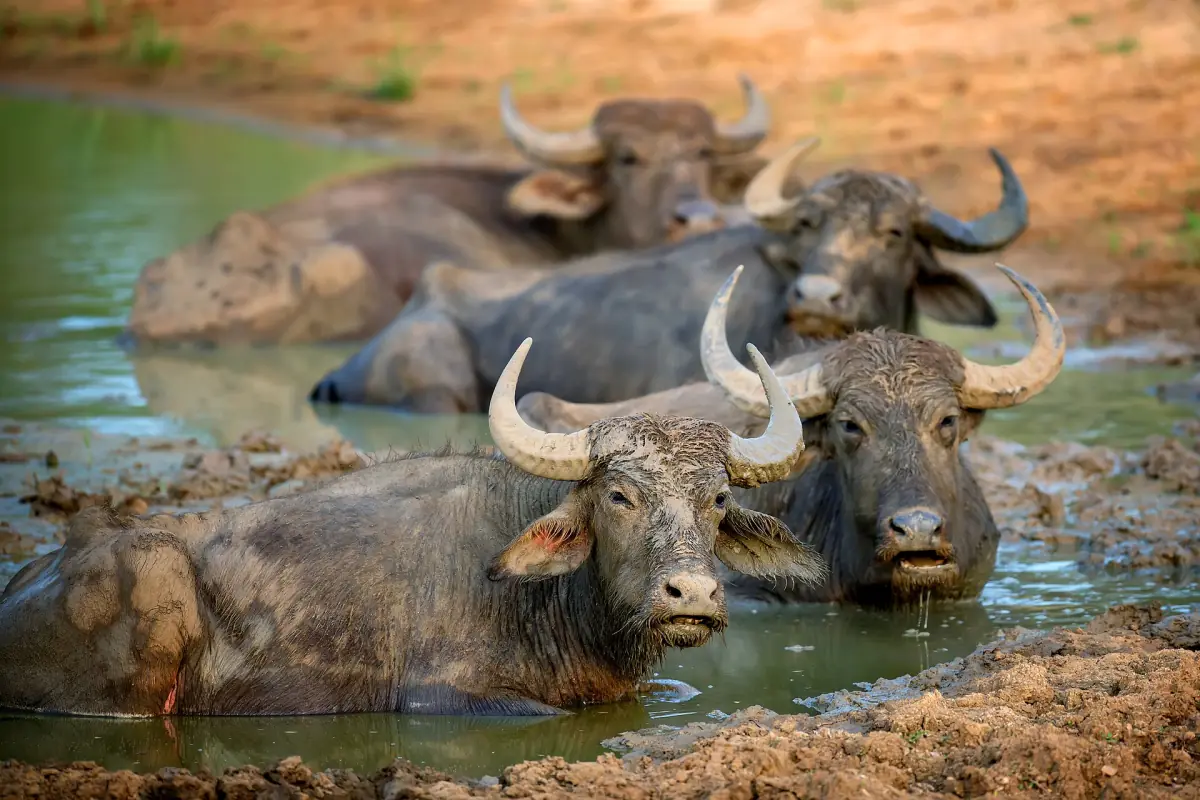
Private Yala safari with hotel transfer and meals
A private jeep with driver, hotel transfer, water, binoculars and breakfast, plus lunch on full-day trips. Park entry is not included.
Check availability →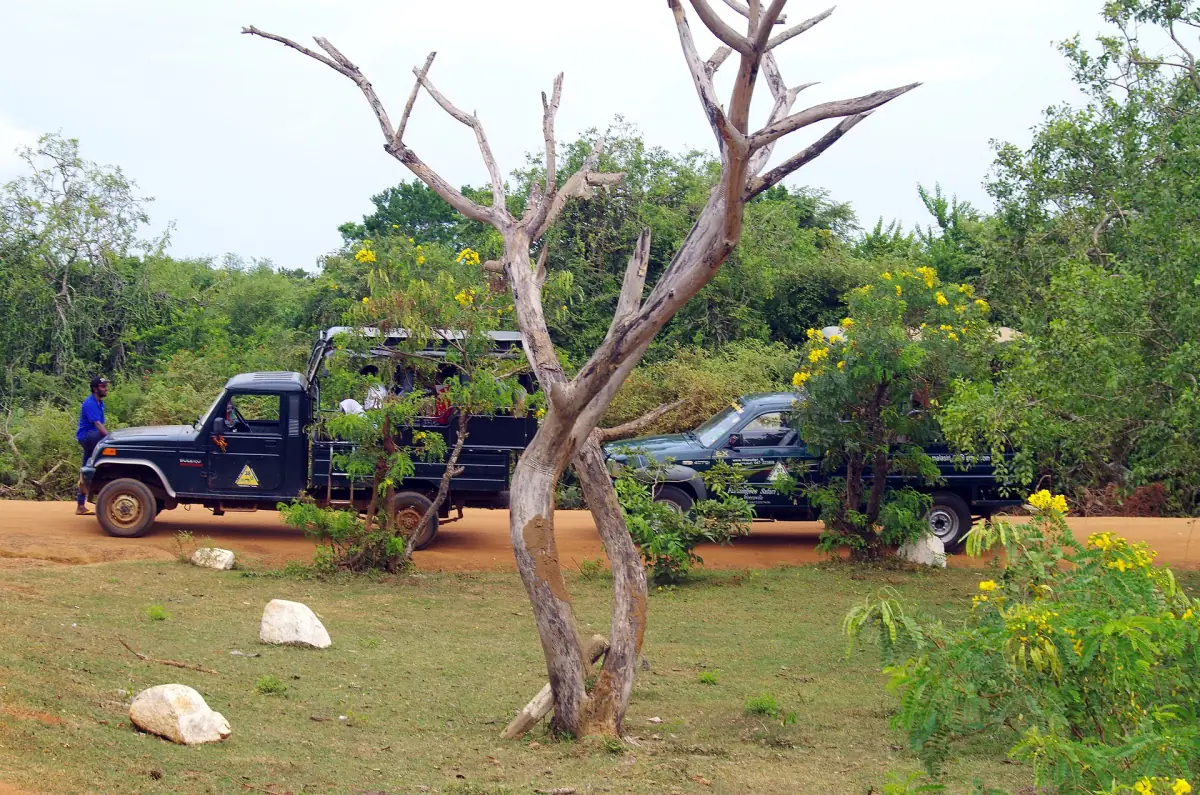
Yala jeep safari: morning, evening or full day
A jeep with guide and binoculars, water, and breakfast or lunch depending on the option. Hotel transfer is included in selected areas, Yala entry is extra.
Check availability →Yala leopard safaris
Jeep safaris in Yala and trips from Hambantota, Tissamaharama and the port, with live prices and availability.
Where and when
What is known, and what is not.
Block I
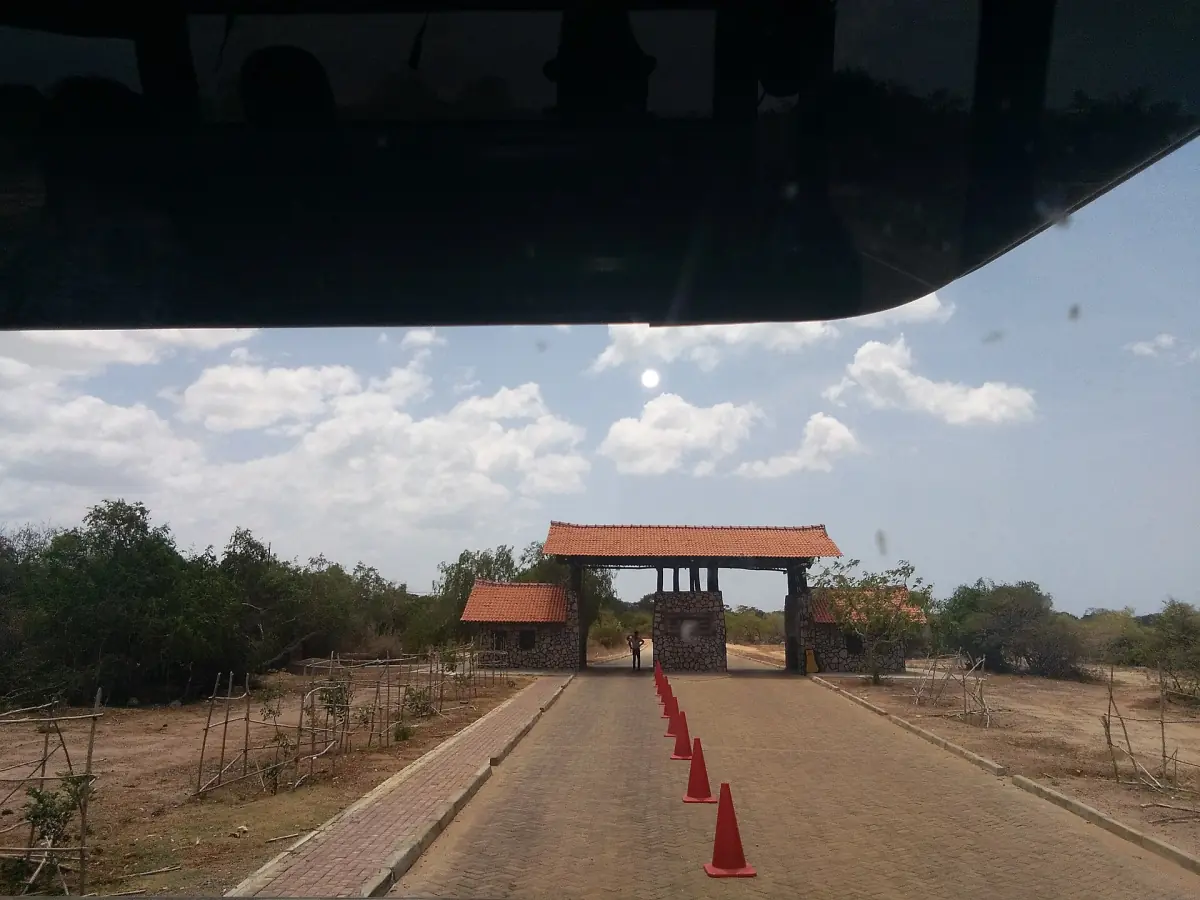
The main area of many regular day safaris from the Palatupana gate, and the block where the 2000 to 2002 field work took place. Katagamuwa is the other entrance named for Block I.
Other blocks
Block II has limited access and is not automatically part of an ordinary day trip. Blocks III and IV are restricted areas by provider maps, and Block V has controlled safaris from Galge. The block names and gate links differ between sources.
Blocks and entrances →No proven best month
No best leopard month is proven to repeat every year. The dry phase, the bird season and official closures are three different things, so do not read a closure date as a sighting season.
Best time to visit →The 2026 closure
A drought-related partial closure ran from 14 September to 15 October 2026, with day visitors announced back from 16 October. It belongs to 2026 and should not be projected onto other years.
Not only leopards
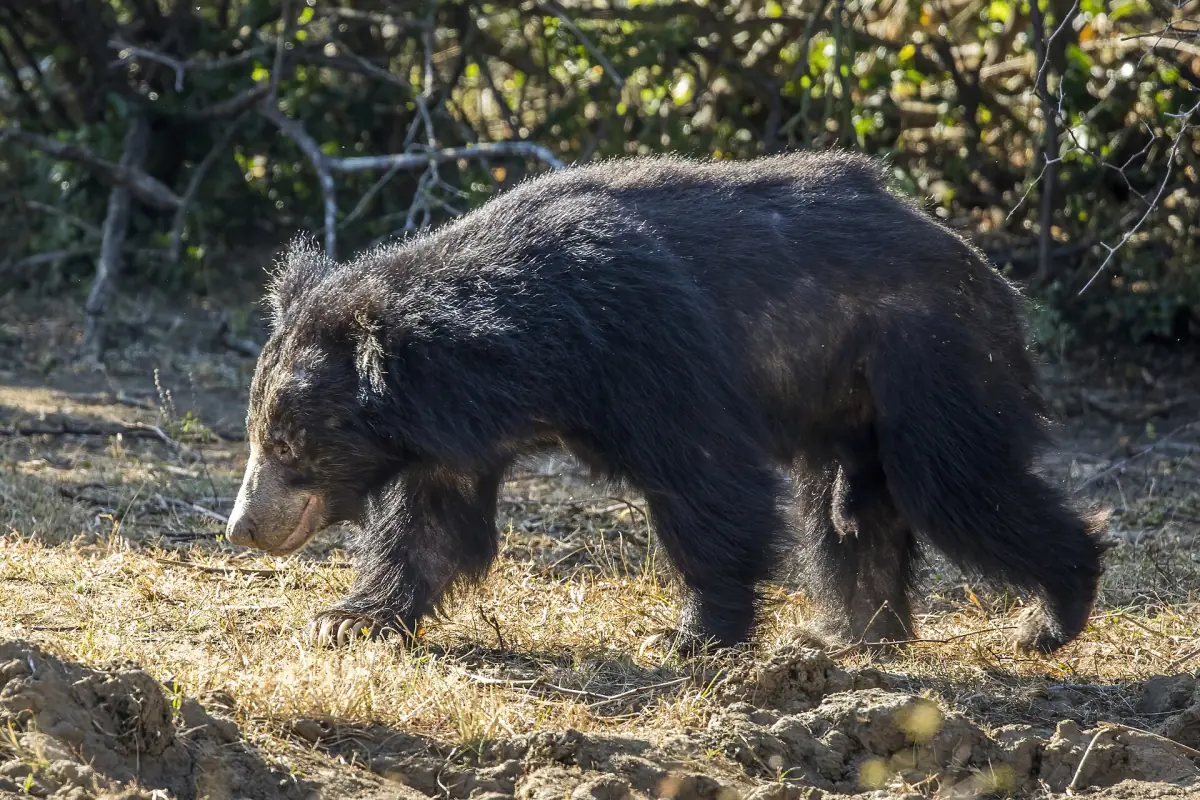
A local excursion provider names leopards, elephants, sloth bears and crocodiles as animals that can be seen in Yala. That is a list of species, not a promise. If you judge a safari only by whether a leopard appears, you may miss what the drive does offer: birds, buffalo and monkeys can all be part of a normal day.
Treat any animal you see as a bonus. Ask your provider how the driver handles a crowded sighting, and allow for a quiet drive.
Rules when a leopard is near
What the safari guideline asks of drivers.
Give way to animals
Vehicles stop when an animal crosses the track and let it pass. They stay on designated routes and follow one-way and parking rules.
No crowding
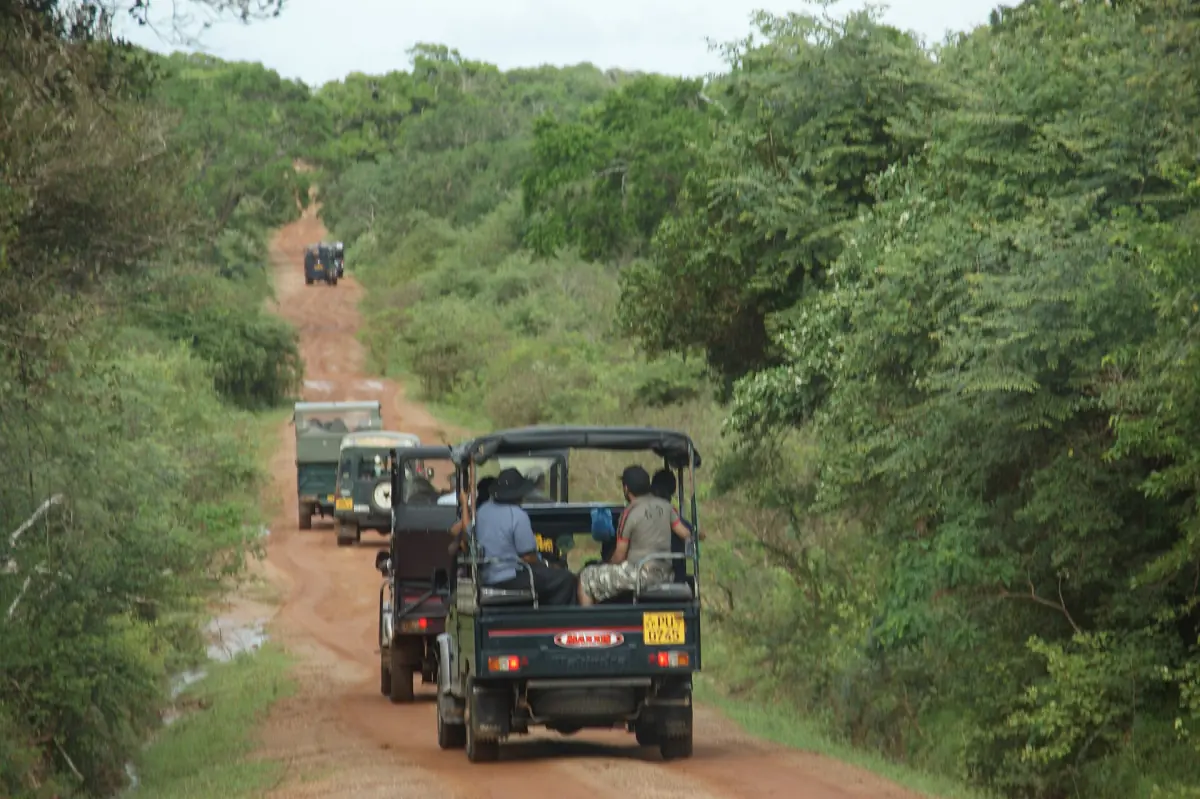
The guideline asks drivers to avoid disturbing animals through excessive vehicle numbers. It sets no fixed distance in meters and no maximum of jeeps per leopard, so the driver's judgment decides, and a good driver backs off.
Speed
A maximum of 30 km/h, or a lower value for wildlife protection, applies. One operator lists 25 km/h, and the lower figure you are given is the one to follow.
No feeding, no litter
Do not feed animals, and take your waste away. Safari vehicles must be registered with the wildlife department and carry a valid entry permit.
Plan for a realistic drive
Choices that help.
Pick the gate and block with care
Ask which gate and which block your jeep will use, and whether it is open on your date.
Choose the drive length
A half day gives one drive and a full day gives two with a break. One provider describes a midday pause from 12:00 to 2:00 p.m., so ask what your program does.
Read the terms
A listing that guarantees a leopard cannot be backed by park conditions. Look for clear terms and what is included, as set out on the tours page.
Hold the expectation lightly
Plan the day around the whole drive, not around one animal. Allow another day for Bundala or Udawalawe if wildlife is your main reason for the trip.
Yala leopards: frequently asked questions
Is a leopard guaranteed on a Yala safari?
No. Operators exclude sighting promises in their terms, and animals, weather and chance affect every drive.
How many leopards live in Yala?
There is no current count to quote. An older study cited in a research article reported 21.7 leopards per 100 km² in total and 12.1 adults per 100 km², and a separate older study reported 0.15 resident adult leopards per km² in Block I. Both are outdated for planning.
Which month is best for leopards?
No month is proven to repeat as the best from year to year. Weather, closures and the dry phase are separate factors, so check current conditions with your provider.
How close can a jeep get to a leopard?
The safari guideline sets no fixed distance and no maximum number of jeeps. It asks drivers not to disturb animals through too many vehicles and to stop when animals cross.
Are other animals worth the trip?
Yes. Elephants, sloth bears and crocodiles are named as possible sightings, along with birds and buffalo, though none is promised.