Tissamaharama at a glance
Tissamaharama, usually shortened to Tissa, was the historical centre of the Ruhuna kingdom. Today it is a small inland town with guesthouses and visitor services, and many travelers use it as the starting point for Yala. It lies in the south of Sri Lanka, in the same region as Hambantota, Bundala and Kataragama.
The town has more to offer than a bed near a park gate. A large white stupa, an ancient irrigation lake and a second, older stupa are all close together. Do not mix the town up with places of similar names near Anuradhapura: the Tissa Wewa lake here is a different water body from the one with the same name there.
The sights, one by one
Three sights sit in and around town. Sithulpawwa lies further out.
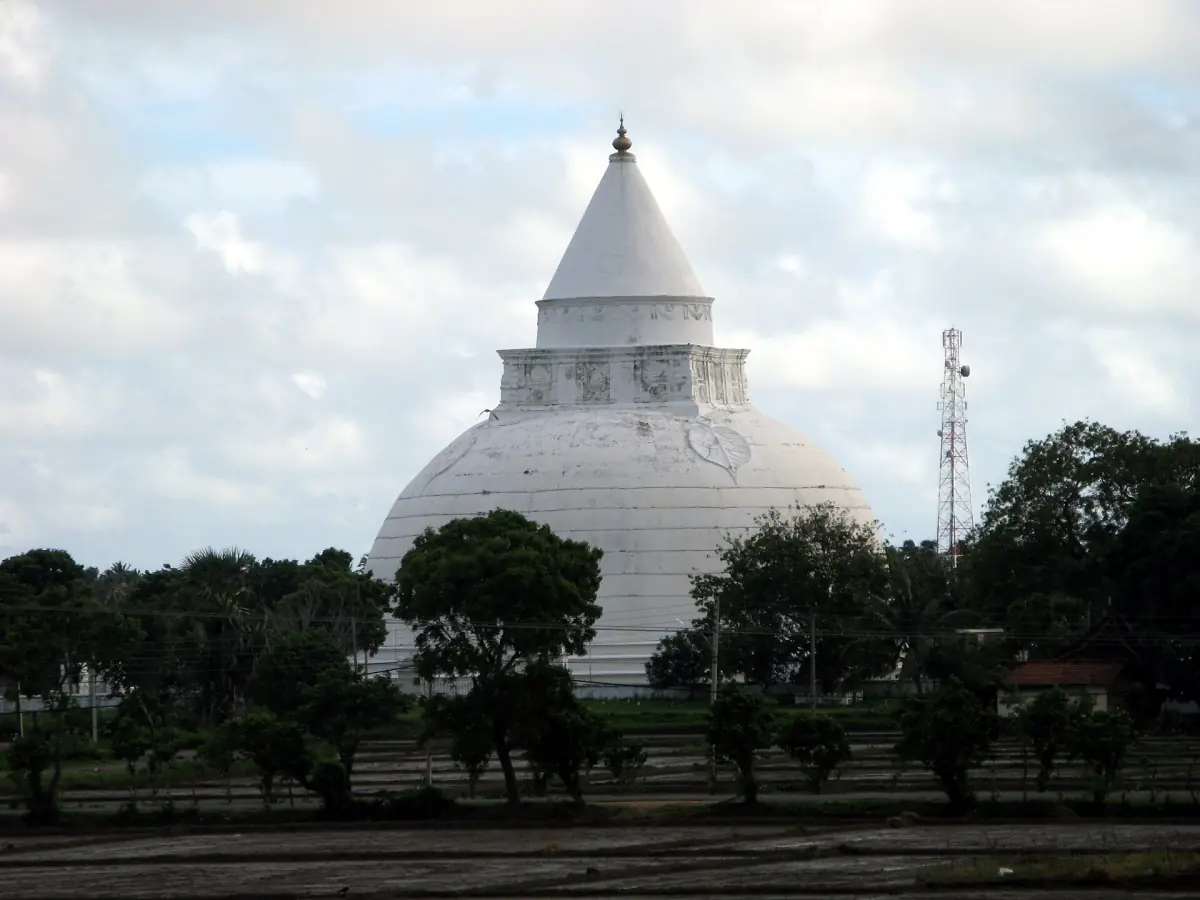
Tissa Maha Dagoba
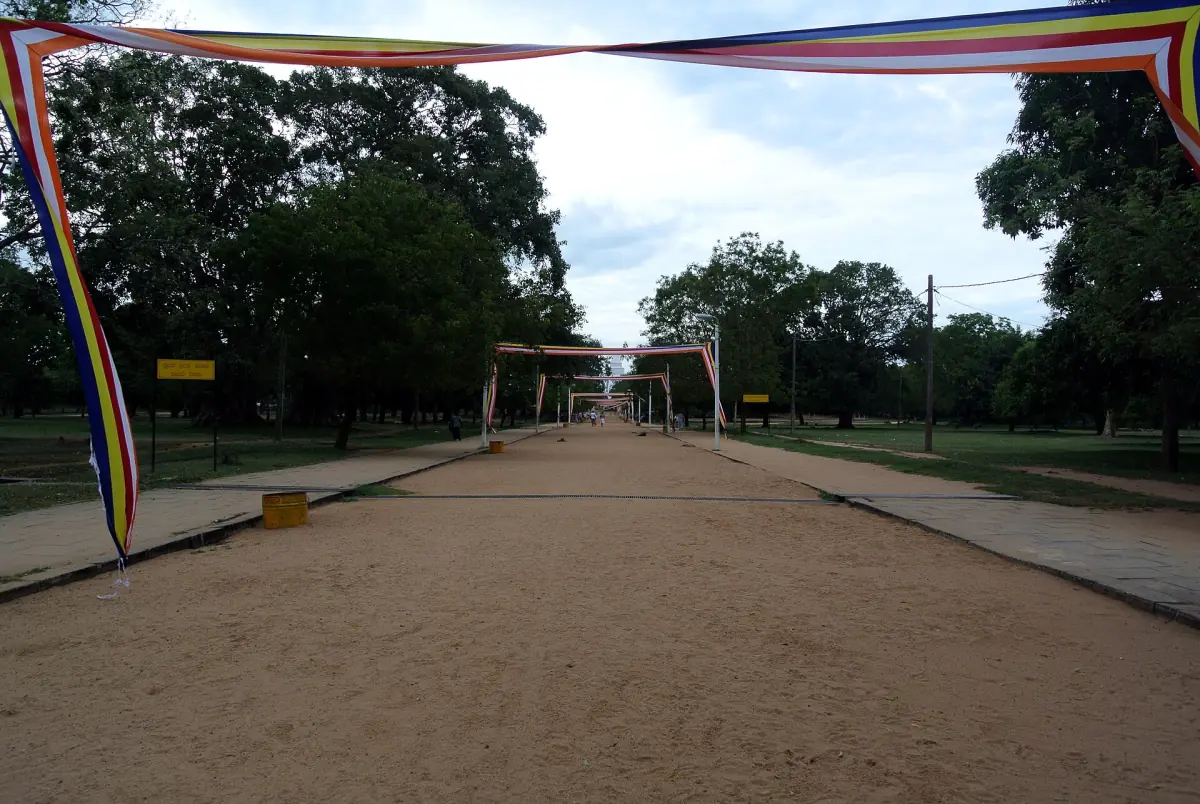
The great white stupa of the Tissamaharama Raja Maha Vihara has been renewed and enlarged several times. It stands about 50 m high with a base circumference of more than 165 m. Religious traditions about relics enshrined here are traditions, and local people treat the site as a place of worship.
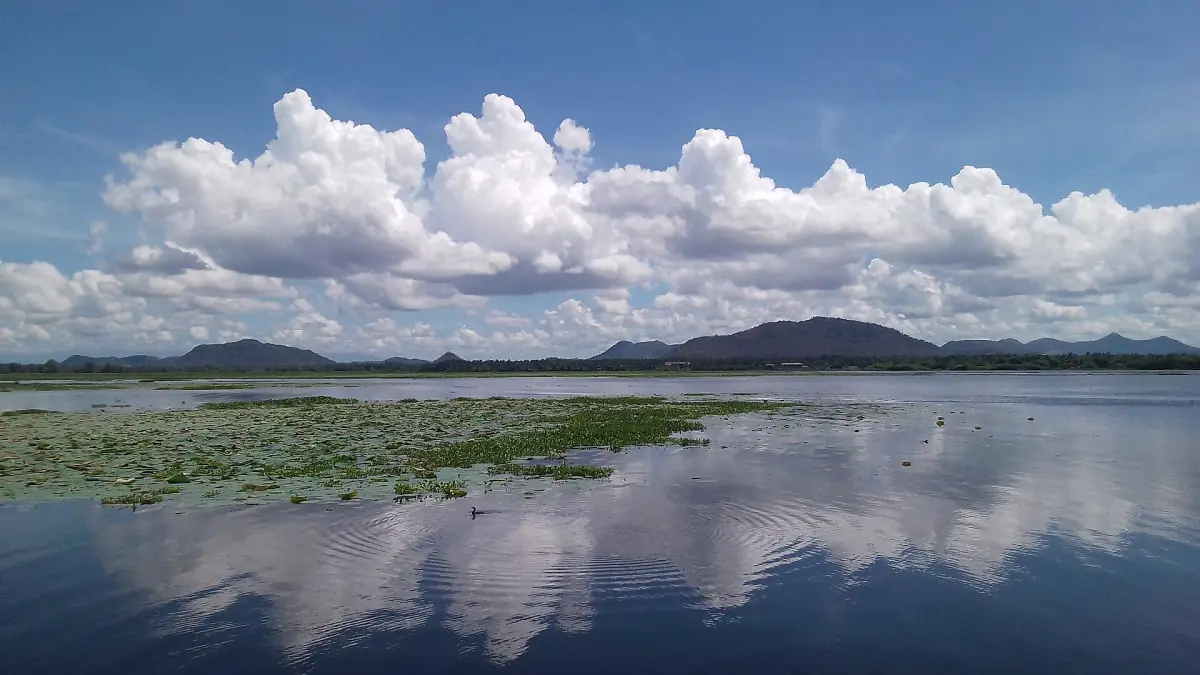
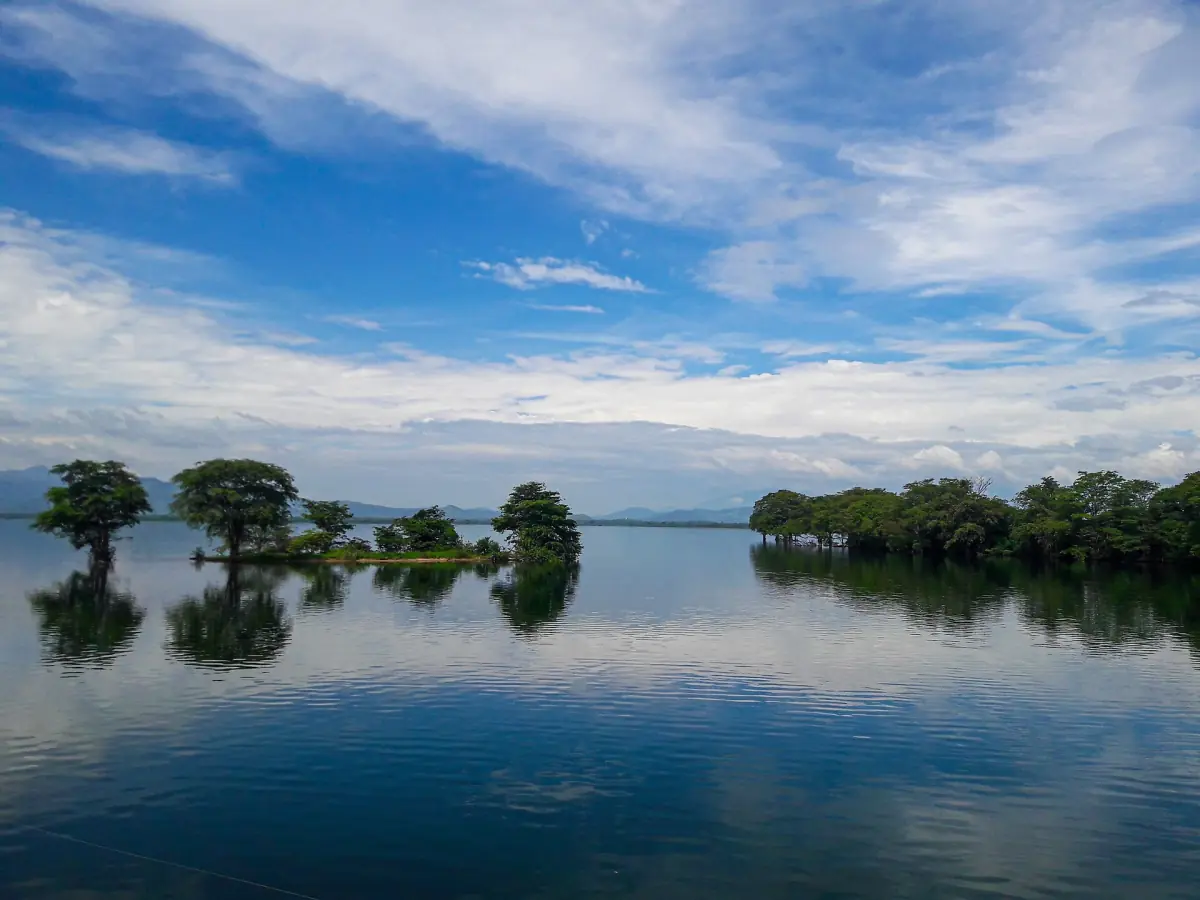
Tissa Wewa
An artificial lake from ancient times that still irrigates the surrounding rice fields. Nothing confirms that it is suitable for swimming, so do not plan on it.
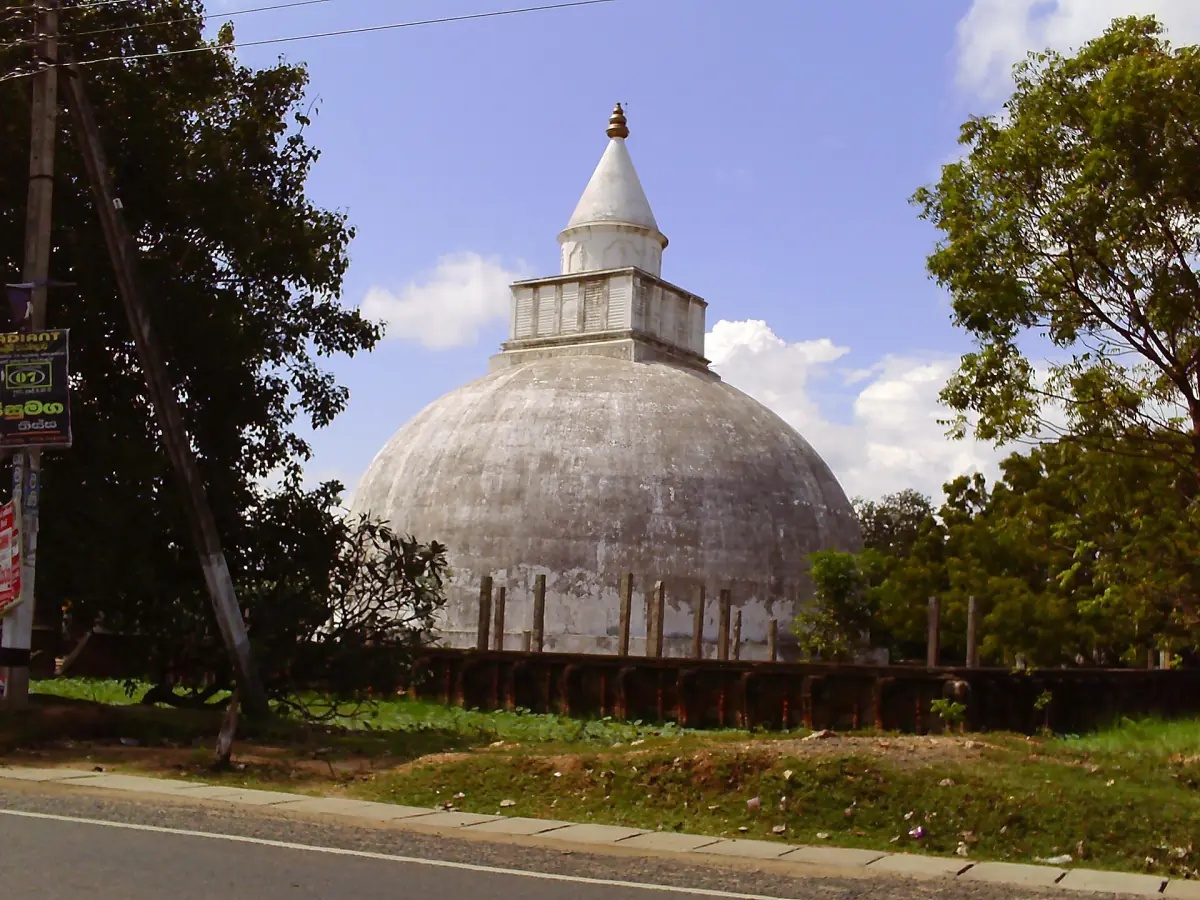
Yatala Wehera
A second old stupa about 2 km from the town center. Archaeological finds and the remains of buildings are described at the site.
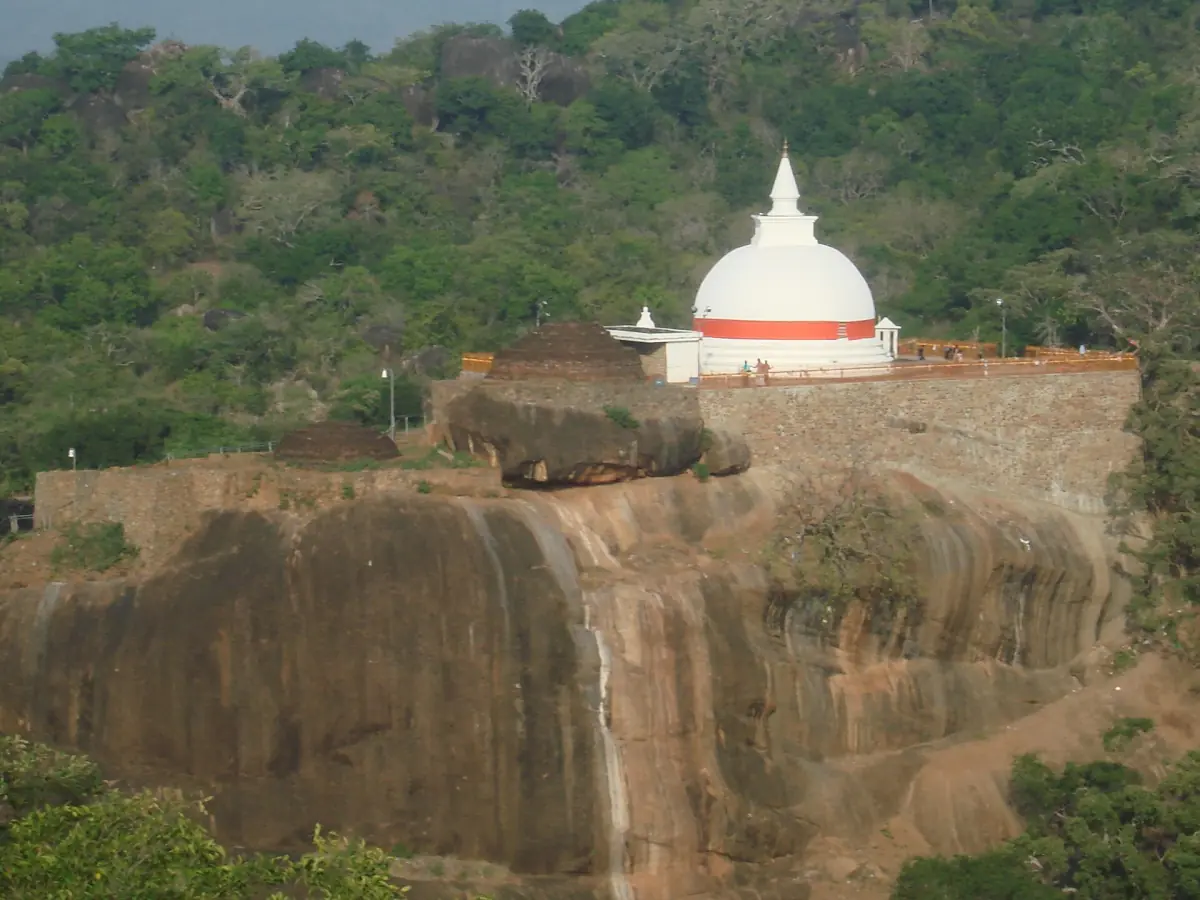
Sithulpawwa
A monastery site in the Yala area, 24 km from Tissamaharama along the Tissa to Sithulpawwa road, according to the tourism board. Rock shelters here carry early Brahmi inscriptions.
Our pick: a day trip with pick-up in Tissamaharama
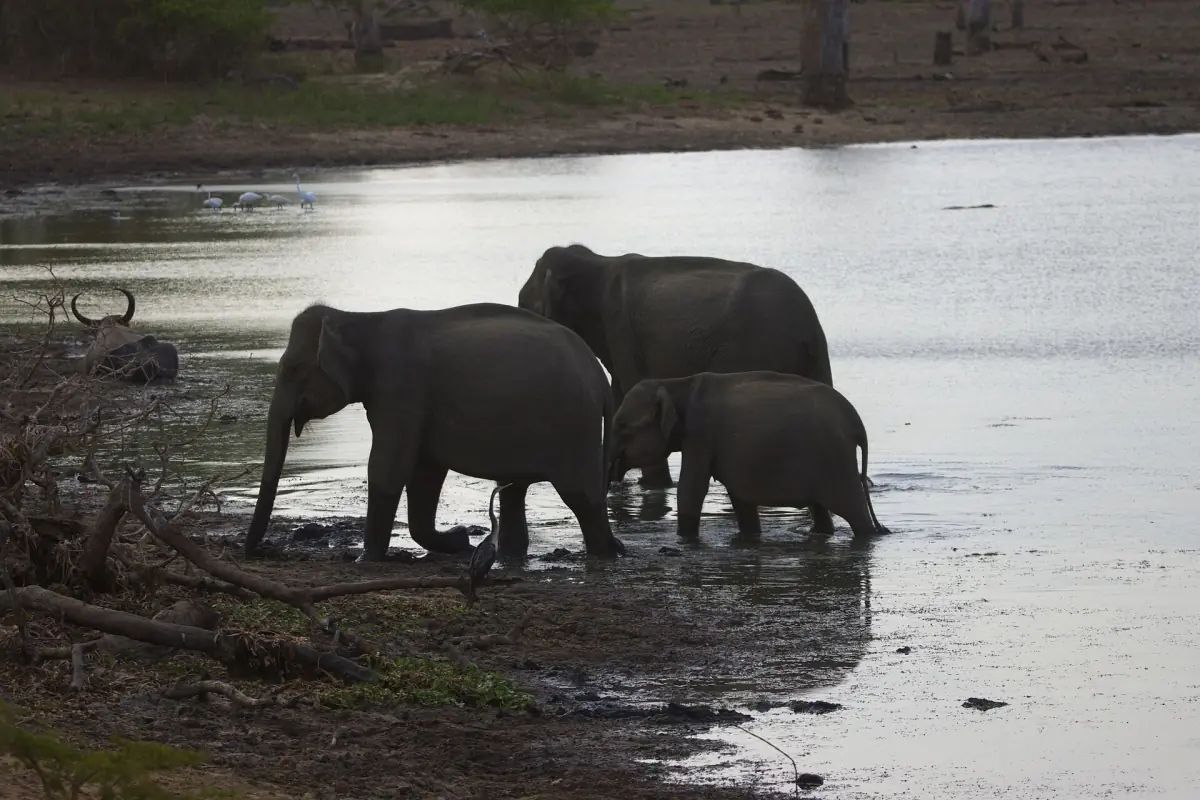
Our take: pick-up from Tissamaharama is named in the inclusions, so this is a day with elephants at Udawalawe without a transfer of your own.
Hand-picked tours, booked through Viator. Prices are indicative starting prices in US dollars (as of October 2026). Tap a tour for live availability and the current price in your currency.
Tours from Tissamaharama and Hambantota
Yala safaris and day trips across the south, with live prices and availability.
Tissamaharama as a base for Yala
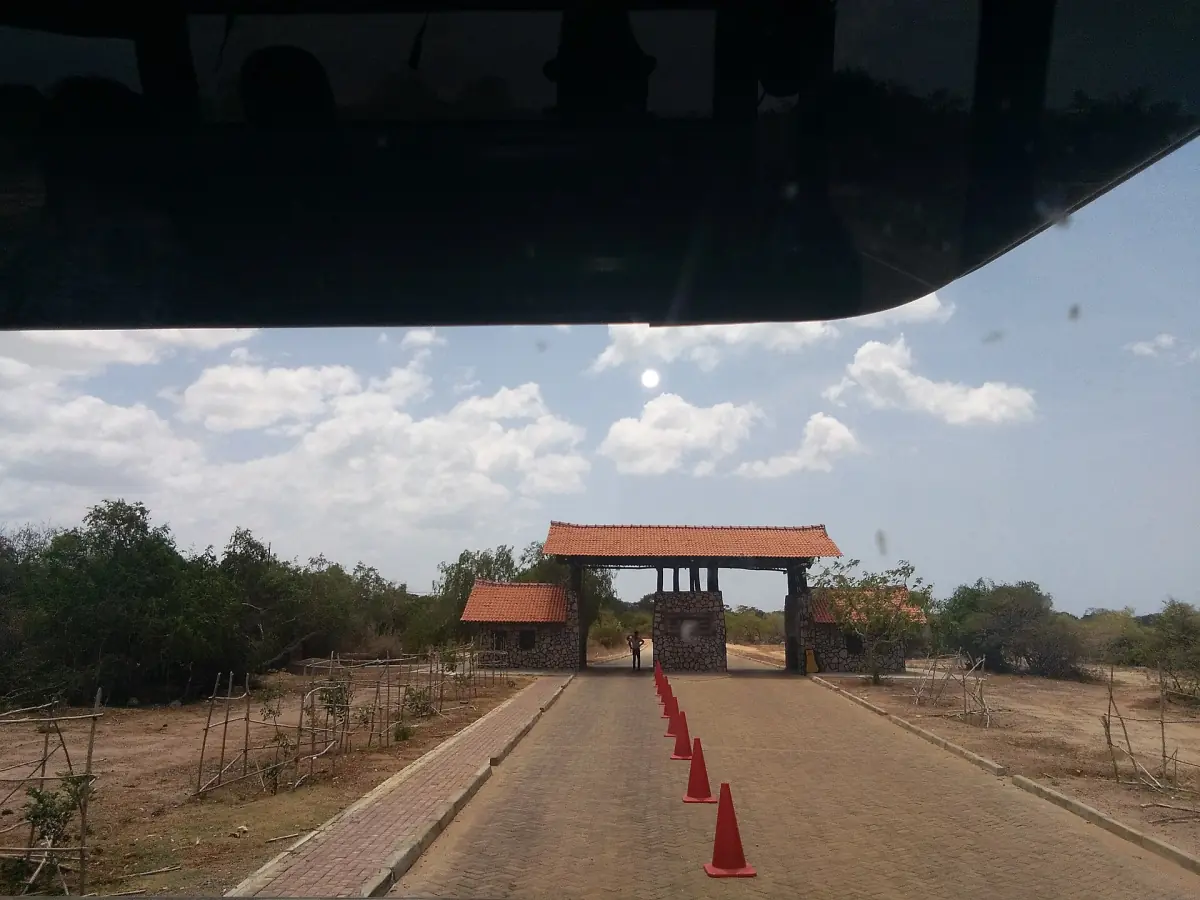
The national heritage site description calls the town a gateway to Yala and lists accommodation and services for visitors. A bed in Tissa does not decide which gate you use, though. Yala has several entrances, and how early you reach the one you want is a question of transfer time. Ask your hotel or driver before you book a dawn start.
Dated Yala facts for this season: a drought-related partial closure of Yala ran from 14 September to 15 October 2026, and day visitors were due back from 16 October 2026 according to press and an operator update. Park lodges and campsites were reported to become bookable again from 1 November 2026. Nobody can assume the same dates every year.
Details on gates, blocks and fees are in the Yala National Park guide, and the practical side of jeep trips is in the Yala safari guide.
Sights compared
Rough distances from the center of Tissamaharama, as given by the sources above.
| Place | What it is | Distance |
|---|---|---|
| Tissa Maha Dagoba | Large white stupa, about 50 m high | – |
| Tissa Wewa | Ancient irrigation lake | – |
| Yatala Wehera | Older stupa with archaeological remains | About 2 km |
| Sithulpawwa | Monastery with rock shelters | 24 km |
Opening times, any donations and parking at these sites vary, and you should ask locally. Entrance rules for Sithulpawwa can also depend on the access road, so check the current situation with your driver.
Visiting temples respectfully
The stupas are active religious sites. The German government travel advice asks visitors to cover shoulders and knees at temples across the country, with trousers or skirts below the knee.
The same respect applies to nearby Kataragama, a sacred place for several faiths. Read the Kataragama guide before you go.
Practical notes
- Getting there: road transfers from the coast and from Hambantota are the usual route, see getting there. Fuel rationing has been in place since 15 March 2026 according to German government advice, so confirm your driver can refuel.
- Where to sleep: Tissa, Kirinda and Hambantota are the three common bases. Compare them on the where to stay page.
- Weather: Hambantota has comparatively low rainfall, but heavy rain still brings flood risk, so read the best time to visit.
- Mosquitoes: dengue is widespread in the country, so use repellent, especially in the daytime.
Tissamaharama: frequently asked questions
What is Tissamaharama known for?
It was the historical centre of the Ruhuna kingdom and is known for the Tissa Maha Dagoba, the Tissa Wewa lake and Yatala Wehera. Today it is also the main base for Yala.
How tall is the Tissa Maha Dagoba?
The national heritage site description gives about 50 m in height and a base circumference of more than 165 m. The stupa has been renewed and enlarged several times.
Is Tissa Wewa the same as the lake in Anuradhapura?
No. They share a name but are different lakes. The one here is in Tissamaharama and still irrigates rice fields.
How far is Sithulpawwa?
The tourism board gives 24 km from Tissamaharama along the Tissa to Sithulpawwa road. Ask your driver about the current access.
What should I wear to the stupas?
Cover your shoulders and knees.
Can I swim in Tissa Wewa?
Nothing confirms it is suitable for swimming, so do not plan on it. Ask locally.